
Renovating a Villa or Bungalow? How to Create Storage That Doesn't Kill the Character
There's a moment in every heritage renovation where you realise the original house had almost no storage. So you go shopping for new shelving and wardrobes only to discover that most off-the-shelf cabinetry doesn’t at all match the character of your home.
That's the heritage homeowner's puzzle: how do you add the storage of a modern home without flattening the soul of the old one? The good news is that a villa or bungalow is one of the best canvases there is for custom-cut joinery, once you understand a few rules.
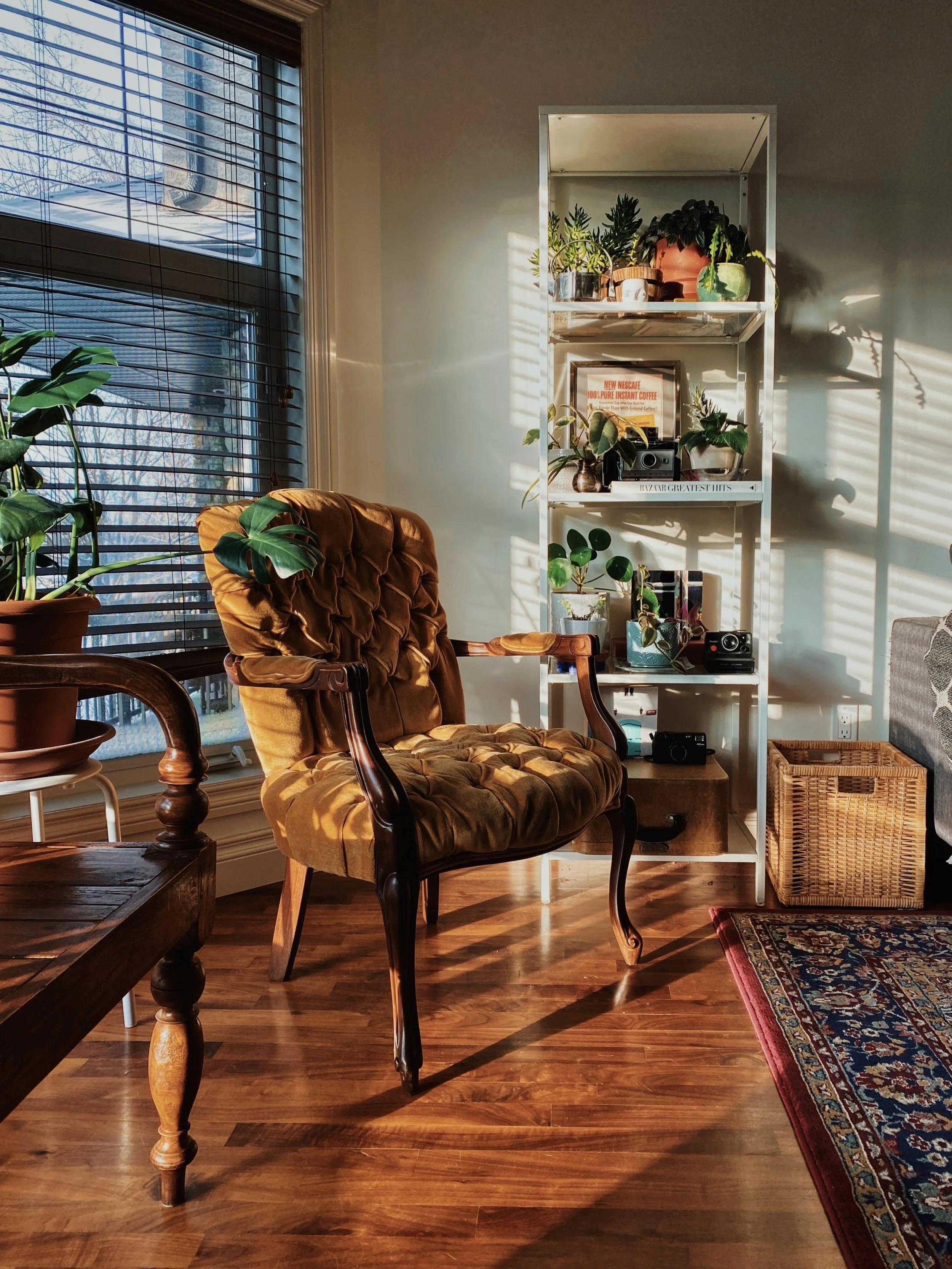
Read the room before you draw a thing
Before you measure a single cabinet, walk the room with a tape and a notebook. Heritage homes have a lot of details, so good built-ins need to speak the same language. Look for:
Skirting height and profile — usually 150–300 mm tall, often with a classic torus, ogee or scotia profile.
Architrave width and shape — the timber framing around doors and windows. Cabinets should never crowd these.
Picture rail height — the horizontal moulding that runs around the room, typically 250–400 mm below the ceiling.
Ceiling height — most villas sit at 2.7–3.0 m, which is taller than a modern home and changes how cabinetry should be proportioned.
Sash window reveals — often deep, and sometimes slightly out of square.
These details aren't obstacles. They're cues. Match them, and your built-in cabinetry will look like it's been there from the beginning.
The picture rail is your best friend
The single most useful design rule in a villa renovation: stop your cabinetry at the picture rail.
That horizontal line is the original architect's way of dividing the wall into a "lower zone" (panelling, dado) and an "upper zone" (paint or wallpaper). When a wall of joinery respects that line (running from floor to picture rail, leaving the upper zone clear) it sits comfortably in the room. Push past it and the proportions usually feel wrong.
The exception is full-height storage in a wardrobe or kitchen, where you can run joinery to the ceiling but introduce a horizontal break, a shelf, a different door style, or a moulding, at picture rail height. The eye reads it as two stacked elements rather than one looming wall.
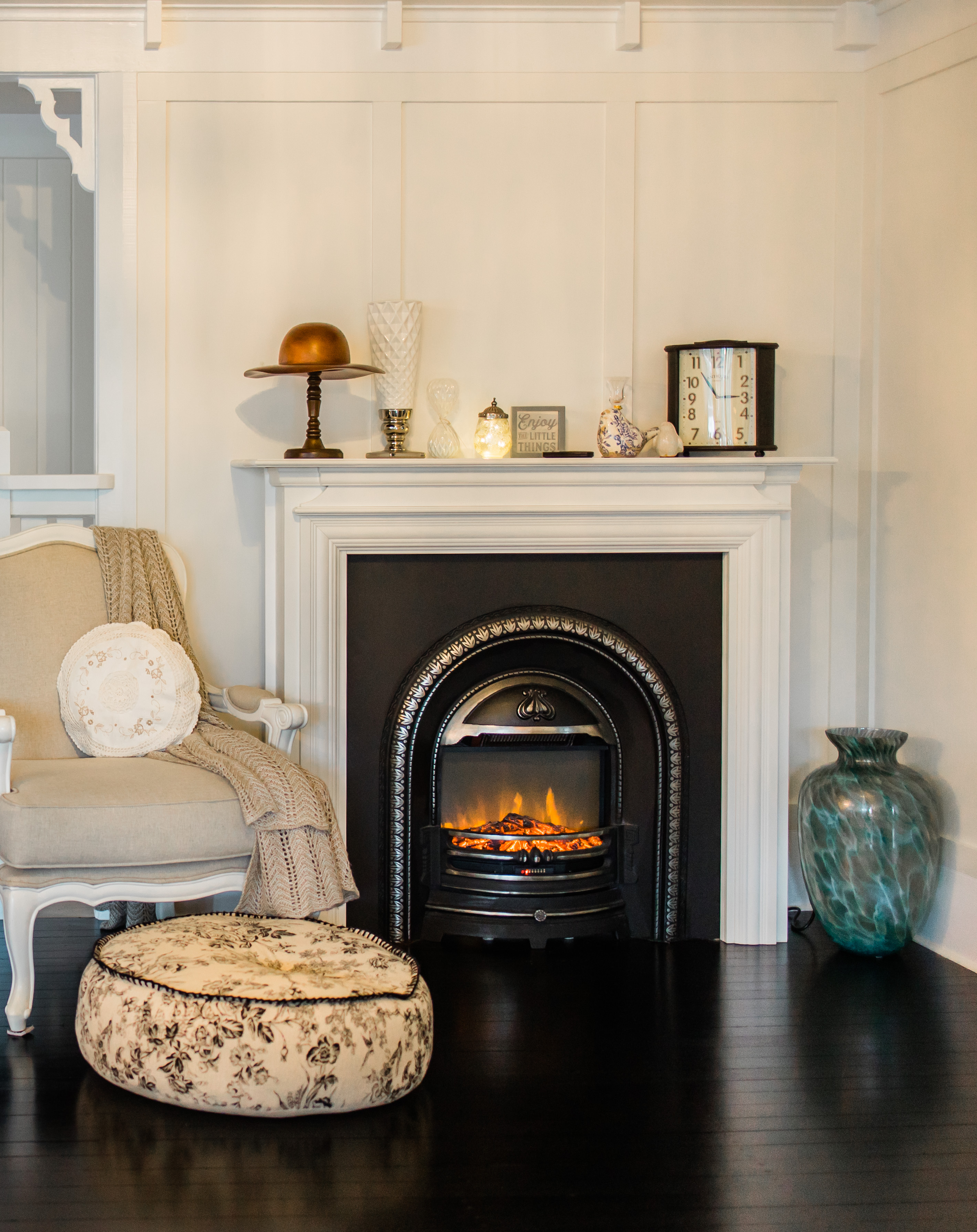
Where built-in cabinetry works the best
Villas and bungalows offer a few classic spots where custom joinery transforms the house:
Fireplace alcoves: The recesses either side of a chimney breast. Tailor-made for floor-to-picture-rail bookshelves with cupboards underneath.
Hallway runs: Long, narrow walls perfect for a single integrated unit of coat storage, drawers and a bench seat.
Bedroom wardrobes: Most original wardrobes are too shallow for modern hangers. A floor-to-ceiling fitted wardrobe with internal drawers, shelves and hanging rails is a game-changer.
Kitchen sculleries and pantries: Heritage kitchens often have an adjoining service room. Lining it with custom shelving and pull-outs adds enormous storage without touching the main kitchen.
Match the details, don't invent new ones
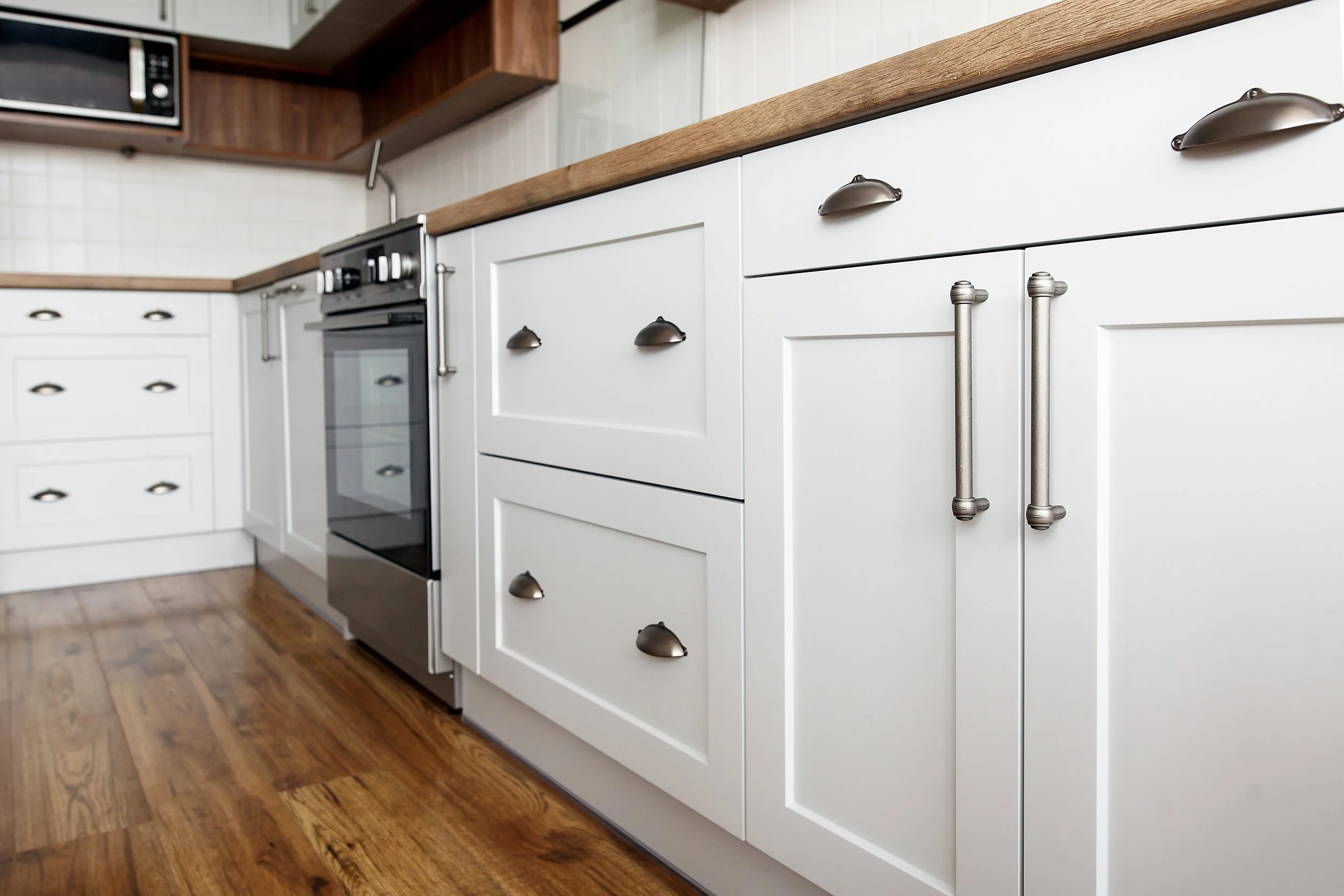
Heritage joinery has a few signature looks. Pick whichever fits your house and run it consistently:
Shaker doors: Flat panel surrounded by a square frame. The most versatile choice, and at home in both villas and bungalows.
Bead-and-butt or V-groove panels: Vertical grooves running down the door. Especially good in older cottages and bungalows.
In-frame doors: Where the door sits inside a frame rather than overlaying it. The most authentic and the most expensive.
Skip handleless, J-pull and modern slab-front doors entirely. They're beautiful in contemporary homes but don’t fit the vibe of a 1900s villa.
Pick a finish that softens the line
Painted MR MDF is the workhorse of heritage joinery. It takes paint beautifully, can be machined to crisp profiles, and copes with the small seasonal movements of an old house better than solid timber. For the benchtop in a villa kitchen, avoid high-gloss finishes unless you're going deliberately contemporary.
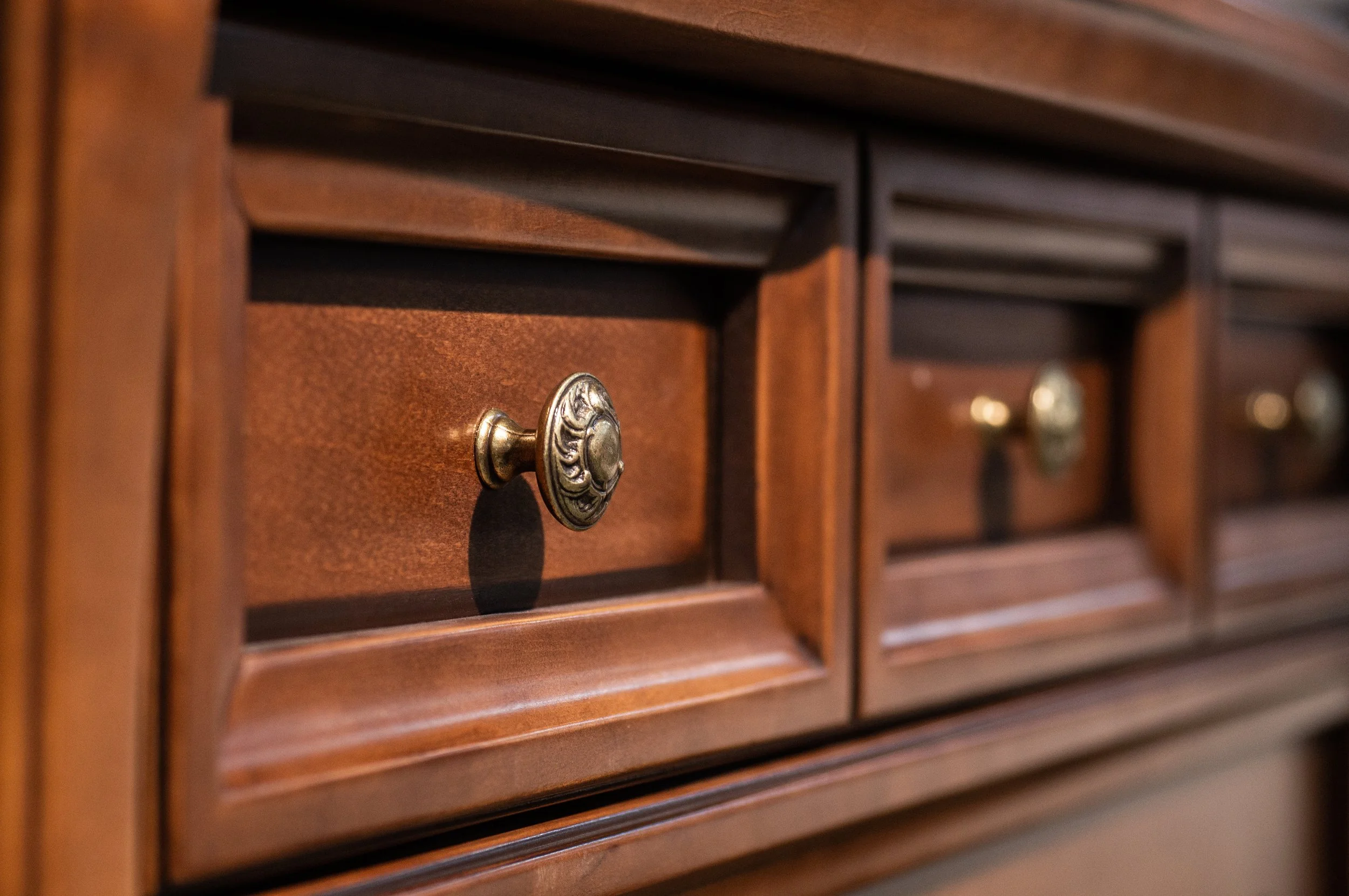
Hardware matters
Nothing flags a "new build" cabinet faster than the wrong handle. Use solid brass, antique bronze or aged nickel cup pulls and knobs. Avoid anything chrome, oversized, or overtly geometric. A small handle in the right finish does more for the period feel than almost any other detail.
Old houses are never square — design for it
Villas and bungalows have settled, shifted and been re-piled over the decades. Walls lean, floors slope, ceilings dip. Don't fight it. Specify your built-ins with scribe stiles (slightly oversized side panels that can be trimmed on site to follow the wall) and a separate plinth that can be packed level underneath. This is exactly where custom-cut joinery shines: standard flatpacks can't accommodate a 6 mm taper across a 3 m run, but CNC-cut panels can.
Bringing it all together
Send Cutshop® your measurements and your chosen door style, and we'll cut every panel, plinth and scribe stile to suit, including profiled skirtings that mirror your existing ones. The result is joinery that disappears into the architecture instead of arguing with it. Your villa stays a villa. It just finally has somewhere to put the linen.