
The Custom Day Bed: Why Built-In Beats Bought Every Time
A day bed is one of those pieces of furniture that sounds simple until you try to find the right one. Too wide, too shallow, the wrong height for your alcove, no storage underneath, costs twice what you expected. Sound familiar?
Here's the thing: a day bed is actually one of the most straightforward pieces of custom cabinetry you can build. A platform, a backrest panel, maybe a pair of side bolsters, and some well-designed storage underneath. When every panel is precision-cut to your measurements, the result looks architectural, fits perfectly, and costs significantly less than a piece of furniture from a specialty store.
Here's everything you need to know about building a custom day bed with Cutshop®.
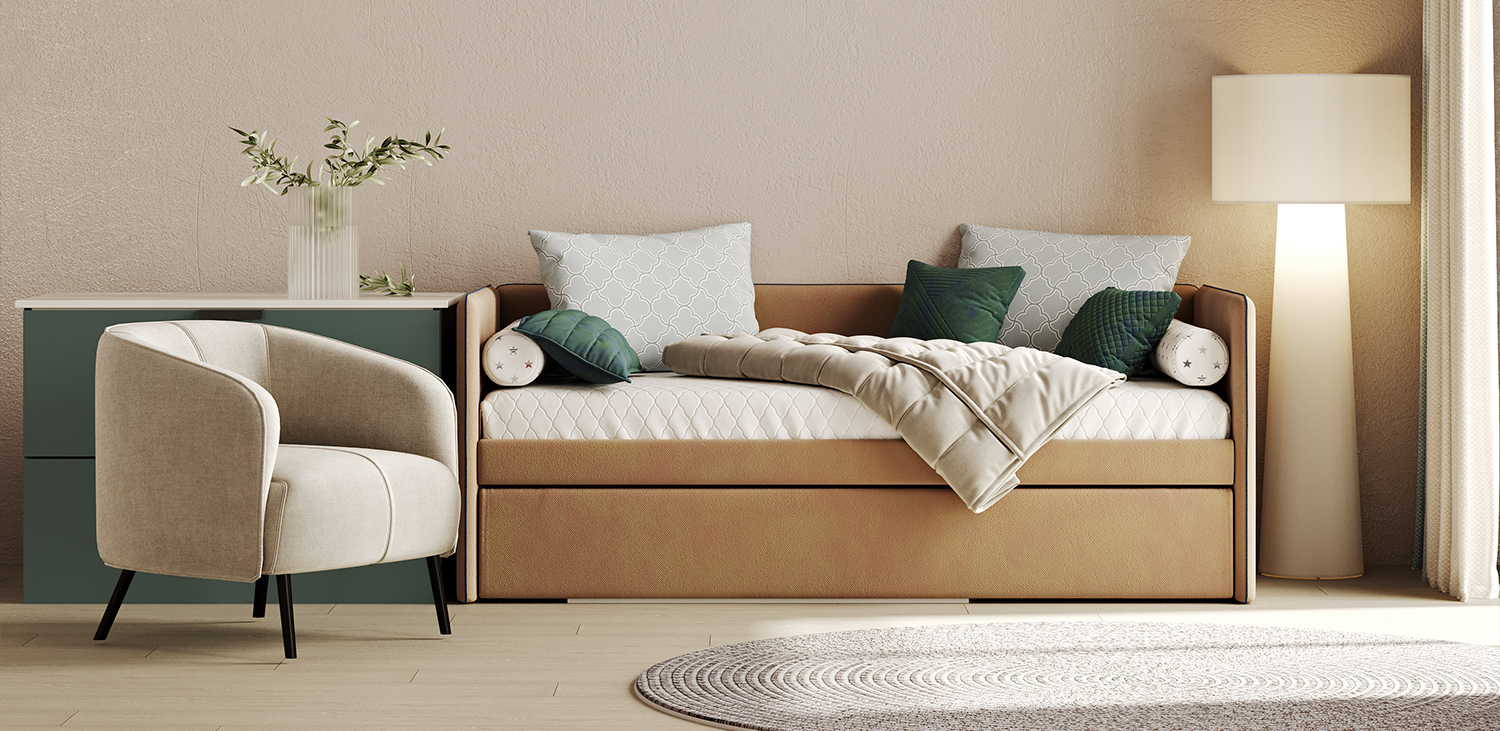
Why Does a Custom Day Bed Beat an Off-the-Shelf One?
Because your space isn't standard, and neither is your life.
Most day beds are designed around a single size: typically a single or king-single mattress (920mm × 1880mm or 1070mm × 2030mm). But the alcove in your reading nook might be 1050mm wide, what then?
Off-the-shelf furniture forces a compromise. Custom cabinetry doesn't. With Cutshop®'s precision CNC manufacturing, every panel is cut to millimetre accuracy from your specific measurements. The platform fits your mattress exactly. The backrest panel meets the wall cleanly. The storage drawers align with the pitch of whatever space you're working in. No gaps, no filler pieces, no "it'll have to do."
Where Do Day Beds Work Best in NZ Homes?
More places than most people realise. Here are the four situations where a custom day bed earns its place:
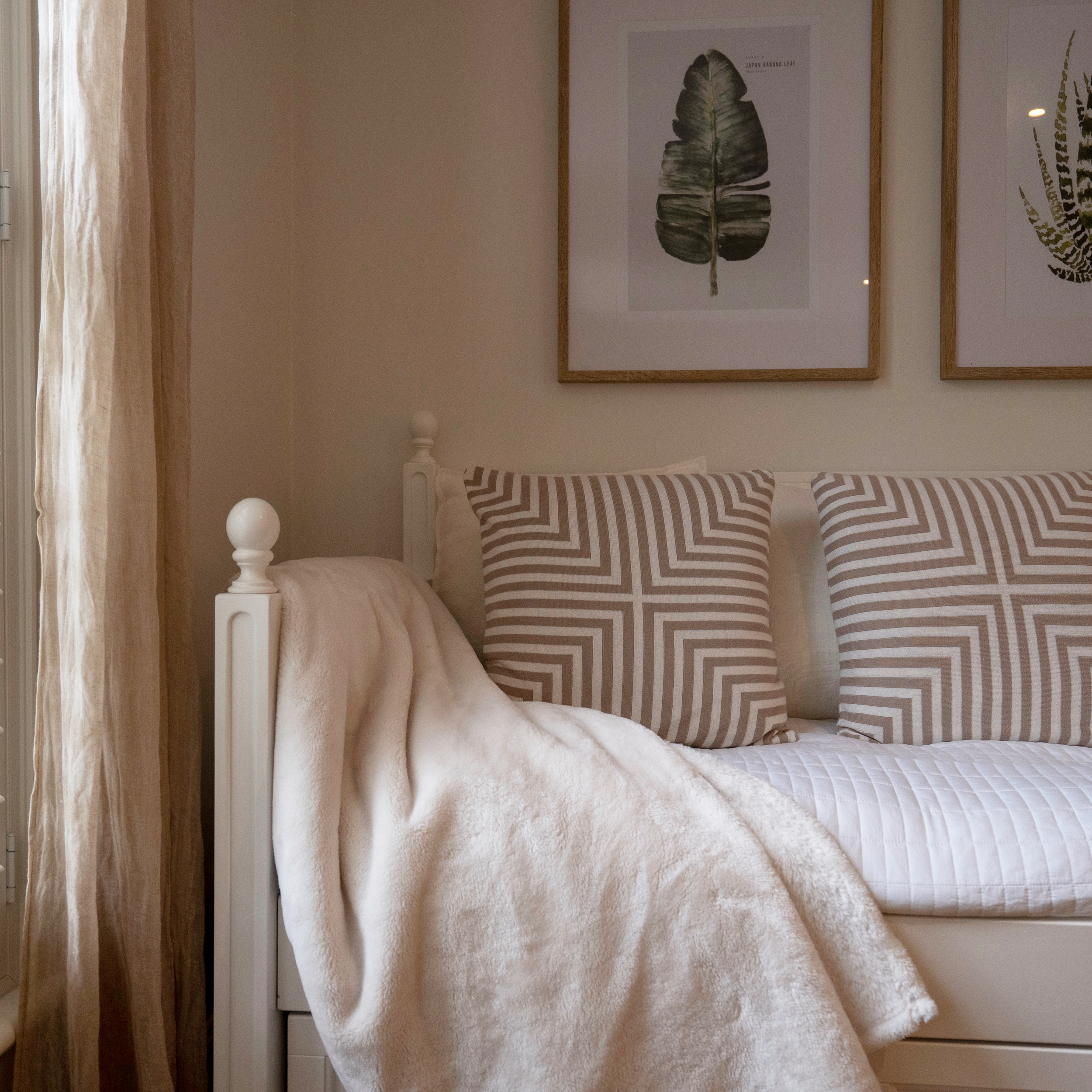
1. The Spare Room That Needs to Pull Double Duty
Most New Zealand homes don't have the luxury of a dedicated guest room. What they have is a room that needs to be a home office from Monday to Friday and a comfortable place for visitors to sleep on the weekend. A day bed handles this elegantly. During the week, it functions as a sofa in a nice quiet corner, but when guests arrive, the proper mattress gives them a comfortable night's sleep.
The key is building in enough storage underneath. Deep pull-out drawers are perfect for storing spare linen and pillows, keeping the room functional without feeling like it's permanently in guest mode.
A custom platform with two or three full-extension drawers underneath turns the spare room into the most versatile room in the house.
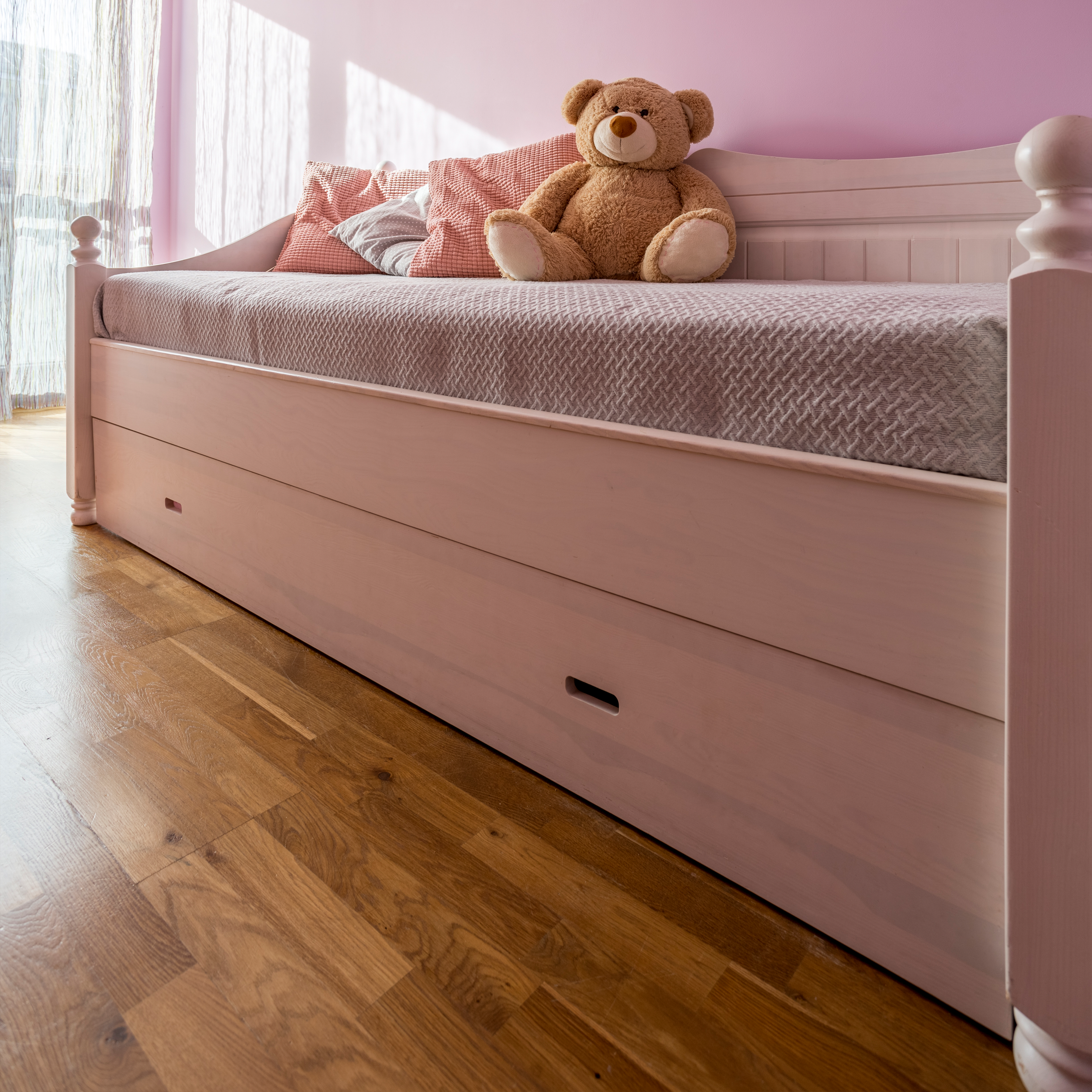
2. The Kids' Room or Teenager's Retreat
Children's bedrooms are always short on space and full of stuff. A custom day bed built along one wall, with a high backrest panel and integrated side shelving, creates a zone that works as a bed at night, a reading nook in the afternoon, and a homework or gaming corner in between.
For a teenager's room in particular, a full-length day bed (built to 2400mm if the wall allows) gives them a space that feels designed for how they actually live. Overhead shelving for books, a shelf unit at one end for a lamp and phone charger, and pull-out drawers for sports gear or school bags. Because every panel is cut to the room's exact dimensions, it fits the wall cleanly without the awkward gaps that freestanding furniture always leaves behind.
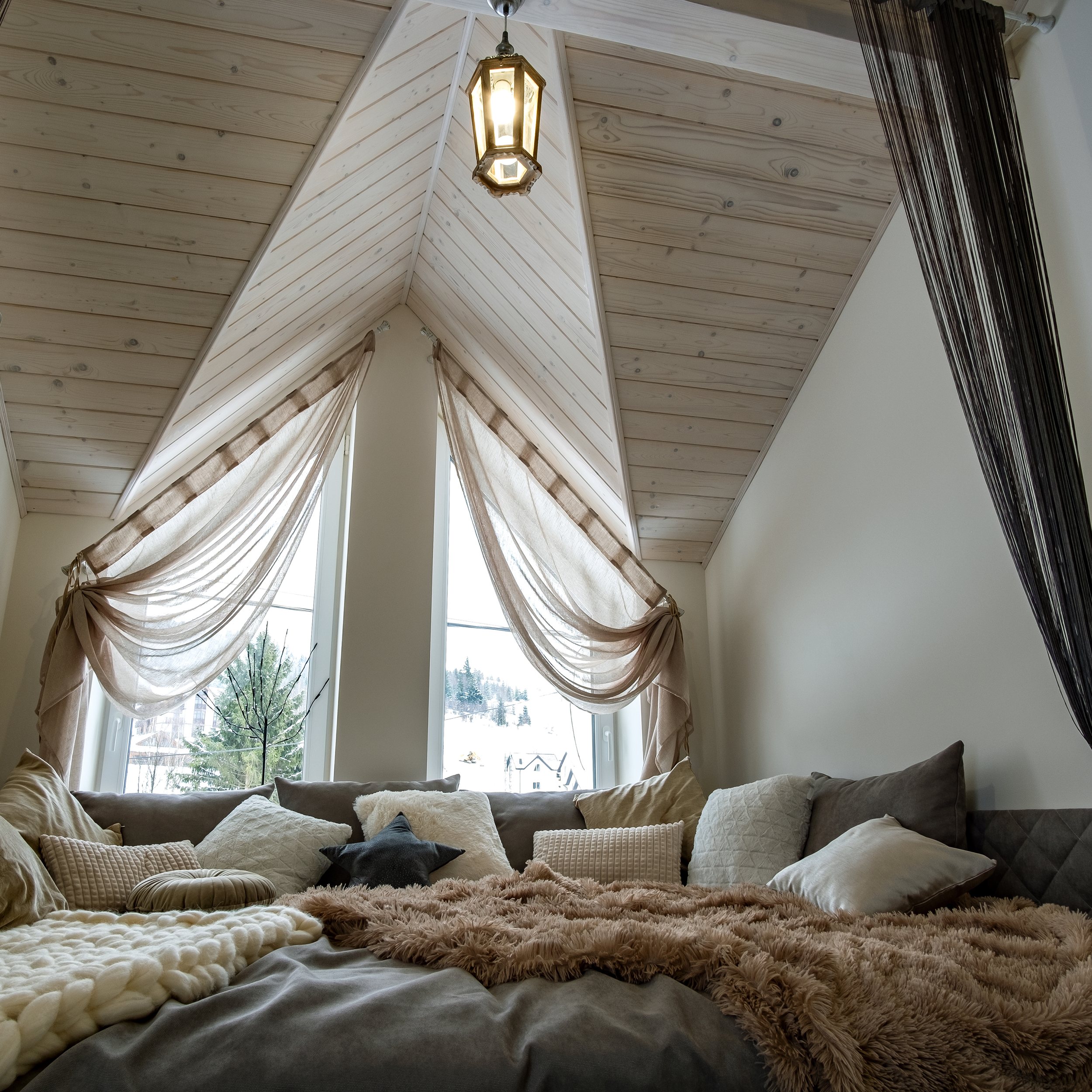
3. The Reading Nook or Sunroom
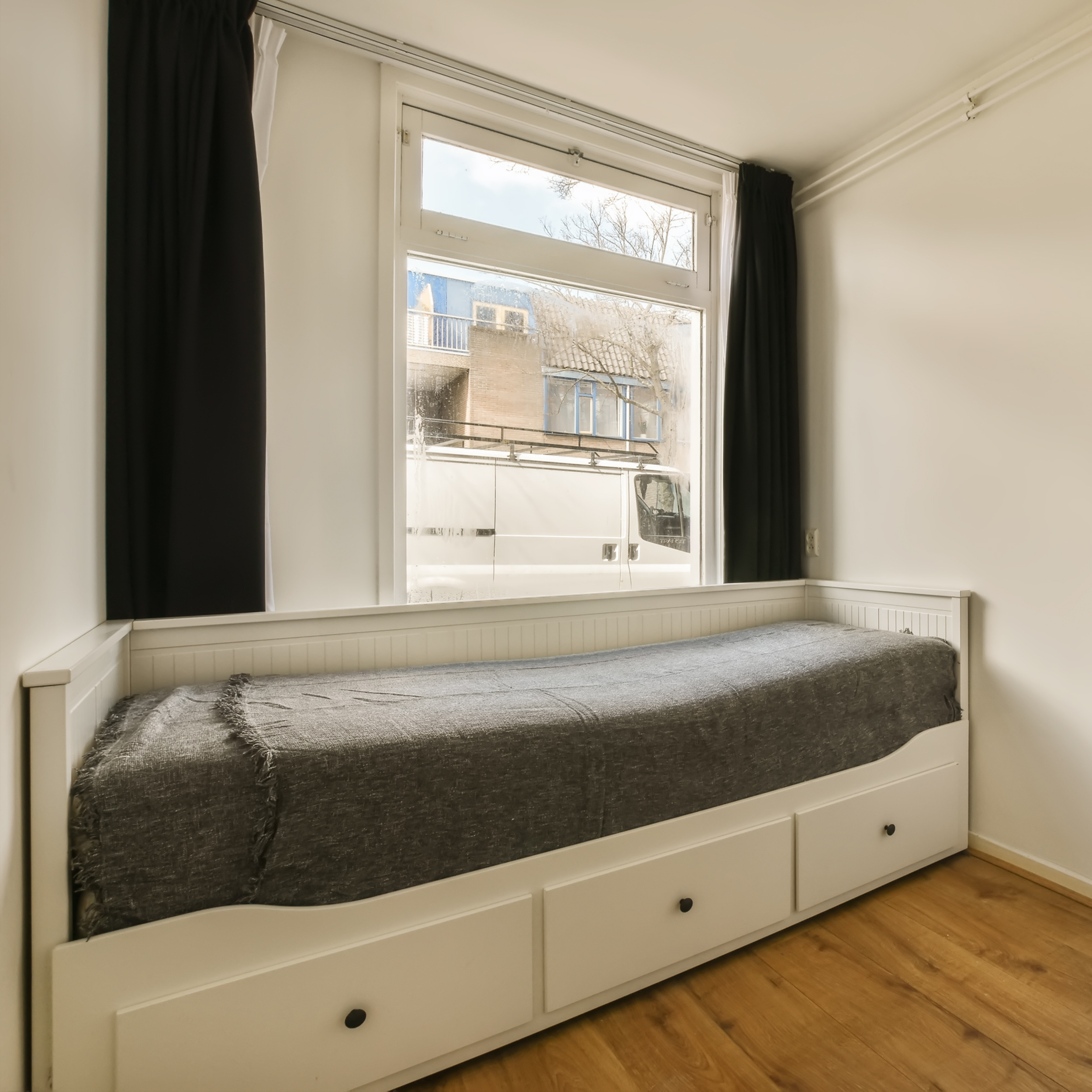
This is where custom day beds really shine. An alcove, a bay window recess, a sunroom wall, these spaces are almost never standard dimensions. And they're exactly the kind of spaces where a beautifully fitted day bed transforms the whole room.
A built-in platform that fills the alcove exactly, topped with a cushion, flanked by a low bookshelf on one side and a side panel on the other, creates a reading nook that looks like it was always part of the house. This is the kind of built-in that adds genuine value to a property, not just a piece of furniture that you'll leave behind when you move.
Measure your alcove to the millimetre, send it through to Cutshop®, and the panels arrive cut to fit it exactly. No trimming, no filling, no compromise.
4. The Sleepout or Studio
If you've read our sleepout cabinetry post, you'll know that a well-fitted sleeping zone is one of the most impactful upgrades you can make in a backyard studio. A custom day bed works particularly well here because it handles the space more efficiently than a traditional bed frame.
In a compact sleepout, a day bed platform with a high backrest panel gives you a sleeping surface at night and a sitting area during the day. Pair it with three or four deep drawers underneath and you've effectively doubled the storage of the space without adding a single extra piece of furniture.

What Design Details Are Worth Getting Right?
The backrest height. A backrest between 450mm and 600mm above the platform surface is the sweet spot for sitting comfortably without the day bed looking like a platform stage. If it's going against a wall, a flush panel works perfectly. If it's floating in a room, a double-sided panel with shelving on the back creates a useful room divider.
The platform height. Standard seat height is around 450mm from the floor. For a day bed that doubles as a sleeping surface, 400–450mm tends to feel right. Lower than this and drawers become harder to open. Higher and the proportions start to look odd.
The storage configuration. Pull-out drawers on full-extension runners are almost always the right choice. They give you full access to the entire depth of the platform and are easy enough for kids to use independently. If you're building a day bed with a long platform (2000mm+), consider dividing the drawers into shorter units (600–700mm wide each) rather than a few very wide drawers, which can become unwieldy and heavy.
The bolster side panels. Raised side panels at each end of the day bed, usually matching the backrest height, define the space and stop pillows from falling off. They're simple to cut and make the whole piece feel intentional and finished.
What Materials Work Best for a Custom Day Bed?
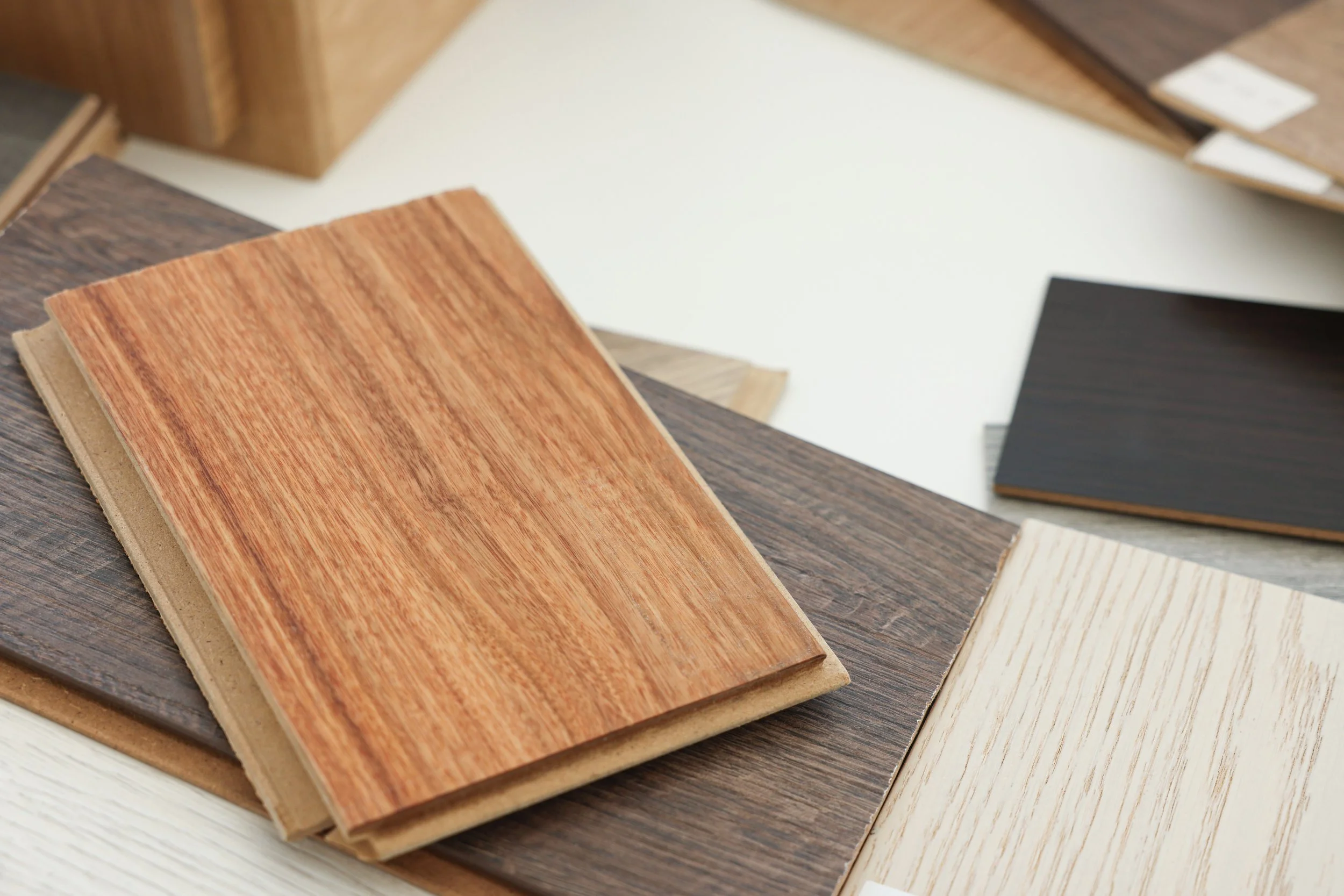
For the platform frame, Melteca-faced board (melamine particleboard) is the standard choice: cost-effective, available in a wide range of colours and finishes, and easy to keep clean. For a bedroom or reading nook, a matte white or natural timber finish integrates seamlessly with almost any interior style.
For damp-prone spaces like sunrooms or sleepouts, HMR MDF is worth the small upgrade. It handles humidity without swelling, which matters in NZ's variable climate.
ABS edging on every exposed edge is non-negotiable. It protects the panel core from knocks and moisture, and gives the finished piece that clean, joinery-quality edge that separates a well-built piece from a rushed one.
For drawer runners, full-extension soft-close runners are the detail that makes the biggest everyday difference. They're quiet, smooth, and far more durable than budget alternatives.
Is It Hard to Build?
Not if the cutting is done right. The most challenging part of any DIY furniture build isn't the assembly, it's getting the panels to the right size. When panels are cut to rough dimensions and need trimming on site, that's where mistakes happen and finishes get damaged.
With Cutshop®'s precision CNC cutting, your panels arrive at exact dimensions, edge-banded and ready to assemble. For a straightforward day bed build, you're working with a small number of rectangular panels, a handful of cam locks and shelf pins, and a drill. Most people comfortable with basic DIY can build a simple day bed platform in an afternoon.
If you're working with a builder or cabinet maker, Cutshop® provides the precision-cut panels so they can focus on the installation rather than the manufacturing.
Build the Day Bed Your Space Deserves
A well-designed day bed isn't just a piece of furniture. In a spare room, it's the thing that makes the room usable every day of the week. In a teenager's bedroom, it's the corner they actually want to spend time in. In a reading nook, it's the reason people comment on your house.
The difference between a day bed that looks considered and one that looks like a compromise almost always comes down to fit. Custom panels, cut to your exact measurements, are what make the fit possible.

FAQ’s
-
A king-single (1070mm × 2030mm) is the most popular choice for a day bed. It's wide enough to sit comfortably and long enough for most adults to sleep in. A standard single (920mm × 1880mm) works well in tighter spaces or for younger children. It's worth buying your mattress first and building the platform around it, rather than the other way around.
The key is building in enough storage underneath. Deep pull-out drawers are perfect for storing spare linen and pillows, keeping the room functional without feeling like it's permanently in guest mode.
A custom platform with two or three full-extension drawers underneath turns the spare room into the most versatile room in the house.
-
Yes. A pull-out trundle is a great addition if the day bed is going in a spare room or a child's bedroom that occasionally needs to sleep two. The platform height needs to accommodate the trundle drawer, so factor this in at the design stage. A platform height of around 500mm gives you enough clearance for a standard trundle with room to spare.
-
The backrest panel should be fixed directly into wall studs using appropriate wall fixings, not just into gib. Locate your studs before finalising the panel position. If your stud spacing doesn't line up with your planned backrest position, a horizontal batten fixed across multiple studs gives you a solid fixing point anywhere along the wall.
-
Yes, but it's worth adding adjustable feet to the base of the platform rather than sitting it directly on the carpet. Adjustable feet let you level the platform precisely regardless of carpet thickness, and they also protect the bottom edge of the panels from moisture wicking up through the carpet over time.
-
Absolutely. Because every order is cut to your exact measurements, you can build your day bed in stages. Start with the platform and drawers, add the backrest panel later, extend the shelving when you have time. As long as your measurements are consistent, each addition will fit cleanly with what's already there.
-
A platform height of 400 to 450mm from the floor works well for a day bed that doubles as both a seating and sleeping surface. Lower than this and drawers become harder to open; higher and the proportions start to look out of scale. For a day bed with a trundle, a height of around 500mm is recommended to allow clearance for the trundle drawer.
